
- ¿Por qué vender productos digitales?
- Mejores plataformas para Vender Productos Digitales:
- 1. Gumroad – Para creadores independientes
- 2. Hotmart – Para cursos y productos de alto valor
- 3. Shopify + SendOwl – Para crear una tienda propia
- 4. Teachable – Para vender cursos online
- 5. Ko-Fi – Para creadores que buscan ingresos sin comisiones
- 6. DeviantArt – Para artistas digitales
- 7. Payhip – Para vender sin complicaciones
- 8. Sellfy – Para una tienda digital rápida y sencilla
- 9.Etsy – Uno de los marketplate más grandes de EEUU y Europa
- 10.TiendaNube – Para vender productos digitales en tu propia tienda
- Resumen final

Vender productos digitales se ha convertido en una de los modelos de negocios más sólidos dentro del comercio electrónico moderno. En un entorno cada vez más competitivo, las plataformas especializadas ofrecen a los creadores y emprendedores la posibilidad de gestionar todo el proceso de venta de forma automatizada, segura y escalable. Sin embargo, la amplia variedad de opciones disponibles puede hacer que la elección no sea sencilla.
Analizamos las mejores plataformas para vender productos digitales, con el objetivo de ayudarte a identificar cuál se adapta mejor a tu modelo de negocio digital. Desde ebooks, cursos y software hasta música, fotografías o plantillas, los productos digitales permiten construir una fuente de ingresos global sin las limitaciones logísticas del comercio físico.
¿Por qué vender productos digitales?
Los productos digitales representan una oportunidad única para quienes buscan independencia, escalabilidad y rentabilidad en el entorno online. A diferencia de los productos físicos, no requieren inventario, almacenamiento ni envío, lo que reduce drásticamente los costes y facilita la distribución internacional.
Su versatilidad es otro de sus grandes atractivos. Creados una sola vez, pueden venderse de forma ilimitada y automatizada, generando ingresos recurrentes con una estructura mínima. Para aprovechar todo su potencial es fundamental contar con una plataforma que gestione de forma eficiente los pagos, la entrega y la protección del contenido.

Mejores plataformas para Vender Productos Digitales:
¿Cuál es la mejor para ti?
Cuando hablamos de las mejores plataformas para vender productos digitales, es importante elegir una que no solo te permita vender, sino que te ayude a gestionar tu tienda online con facilidad. A continuación veremos las mejores opciones.
1. Gumroad – Para creadores independientes
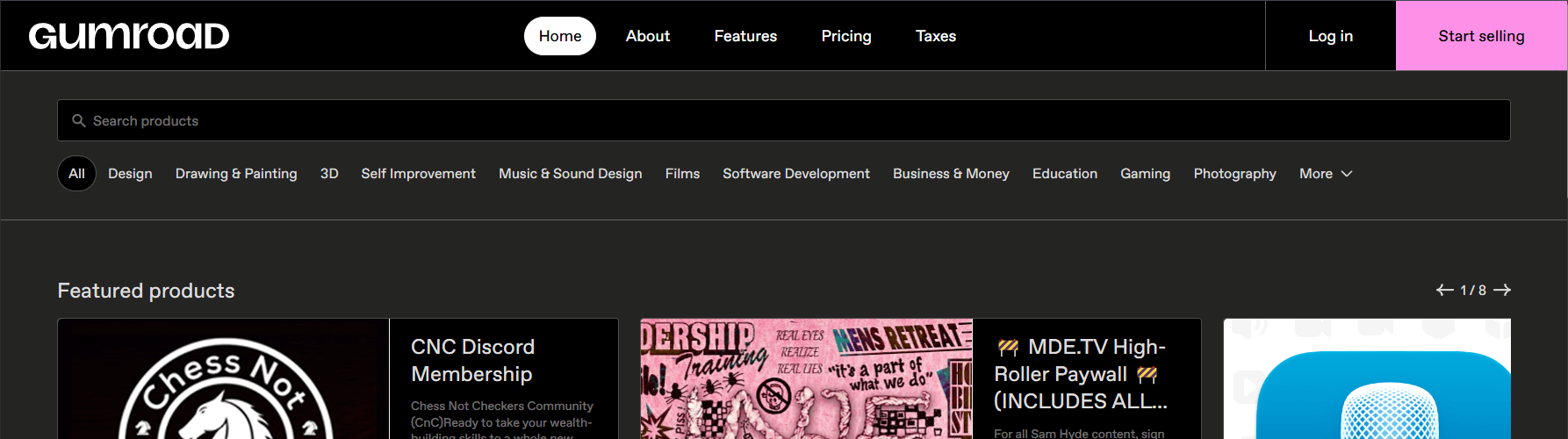
Gumroad es una de las plataformas más populares entre emprendedores digitales que buscan vender productos digitales sin complicaciones. Su interfaz sencilla permite vender ebooks, música, ilustraciones, plantillas, software y más.
Ventajas de Gumroad
- No necesitas una tienda web, puedes vender con un enlace directo.
- Opciones de suscripción para ingresos recurrentes.
- Funciona en mercados digitales emergentes y globales.
- Mejor para vender: Ebooks, cursos cortos, música, ilustraciones y software.
- Empieza a vender en Gumroad
2. Hotmart – Para cursos y productos de alto valor
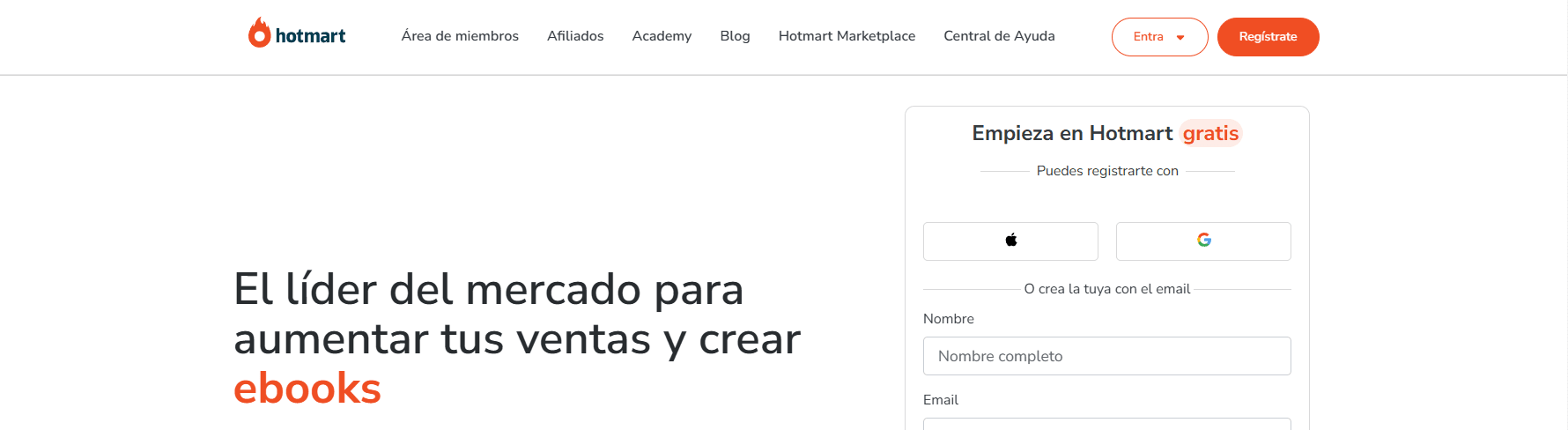
Hotmart es líder en la venta de productos digitales de alto valor, especialmente cursos online. Su comunidad de afiliados permite que otros promocionen tus productos a cambio de una comisión, aumentando así tu alcance.
Ventajas de Hotmart
- No necesitas experiencia técnica para vender.
- Red de afiliados que impulsa tus ventas.
- Presencia fuerte en mercados digitales emergentes de habla hispana.
- Mejor para vender: Cursos online, ebooks premium y membresías.
- Regístrate en Hotmart
3. Shopify + SendOwl – Para crear una tienda propia

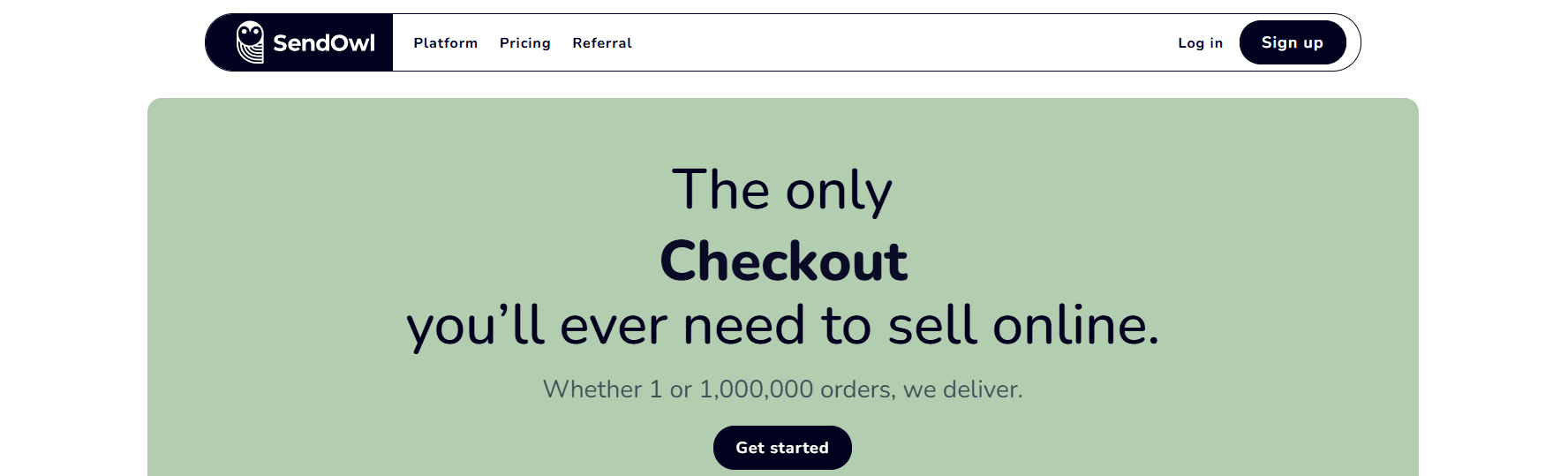
Si buscas mayor independencia y control sobre tu negocio digital, Shopify junto con SendOwl es una gran opción. Shopify, por excelencia, es la plataforma más utilizada para el modelo de dropshipping, permitiéndote diseñar una tienda online profesional, mientras que SendOwl se encarga de la entrega automática de los productos digitales..
Ventajas de Shopify + SendOwl
- Control total sobre tu negocio digital.
- No dependes de terceros para vender.
- Se integra con múltiples métodos de pago.
- Mejor para vender: Software, cursos, membresías, plantillas y productos digitales premium.
- Crea tu tienda con Shopify
- Automatiza con SendOwl
4. Teachable – Para vender cursos online
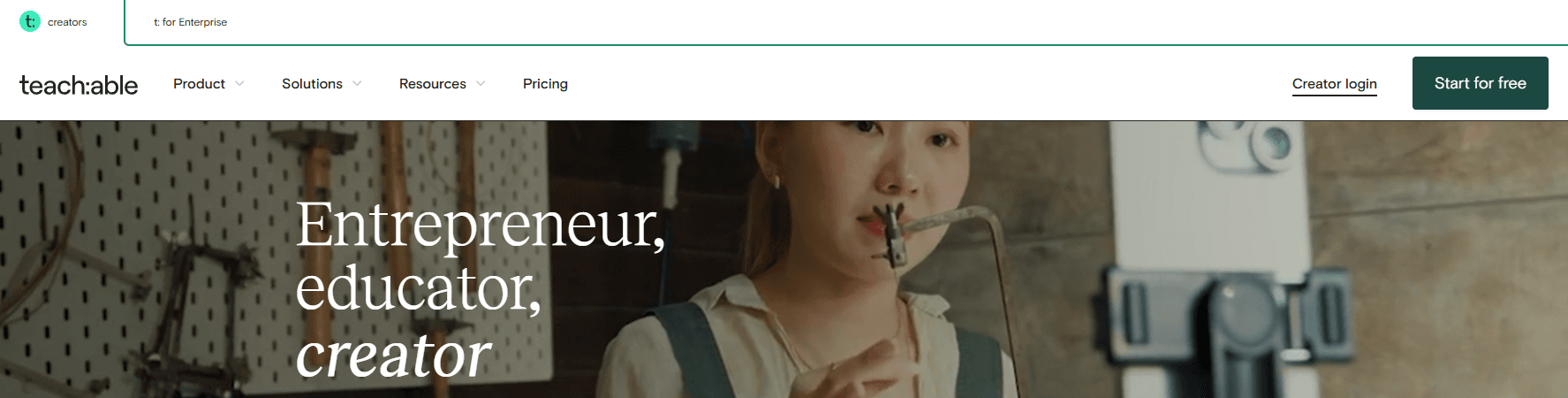
Teachable es una plataforma especializada en cursos online. Si eres un nómada digital o emprendedor que quiere compartir su conocimiento y generar ingresos pasivos, esta es una de las mejores opciones.
Ventajas de Teachable
- Plataforma profesional con diseño personalizable.
- Opciones de pago únicas, incluyendo suscripciones.
- Herramientas para automatizar el aprendizaje de los alumnos.
- Mejor para vender: Cursos online, programas de formación y membresías educativas.
- Empieza con Teachable
5. Ko-Fi – Para creadores que buscan ingresos sin comisiones

Ko-Fi es una excelente alternativa para creadores independientes. Permite vender productos digitales sin comisiones en el plan gratuito, lo que la hace ideal para nuevos emprendedores.
Ventajas de Ko-Fi
- No cobra comisiones en ventas directas.
- Fácil de usar sin necesidad de conocimientos técnicos.
- Permite recibir donaciones y vender productos digitales.
- Mejor para vender: Ilustraciones, presets, plantillas, música y ebooks.
- Regístrate en Ko-Fi
6. DeviantArt – Para artistas digitales
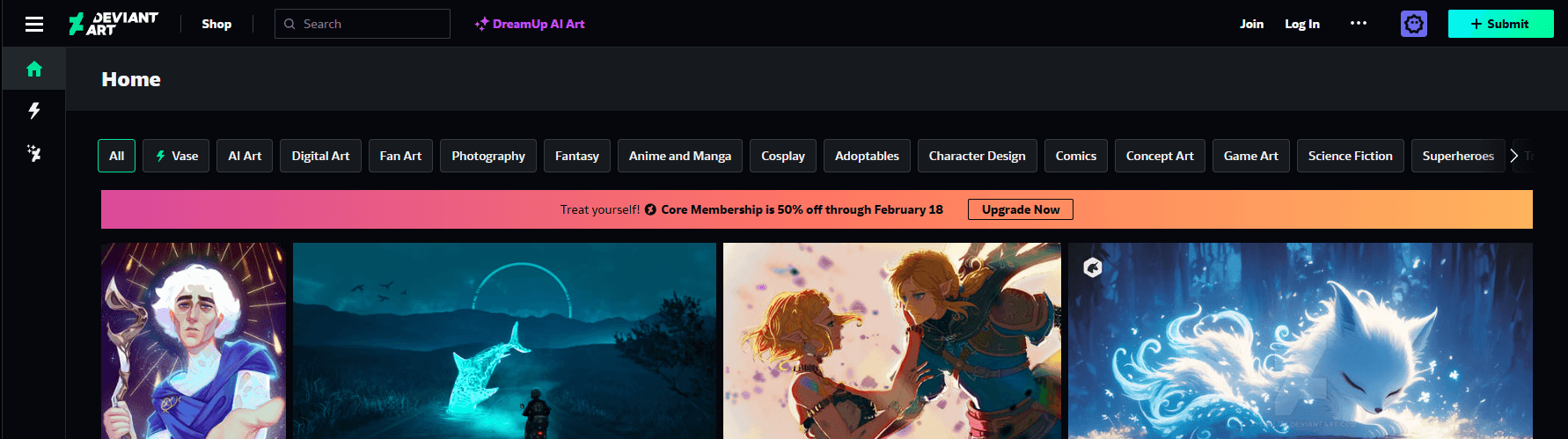
Si eres diseñador, ilustrador o artista digital, DeviantArt es una plataforma ideal para vender productos digitales relacionados con el arte. Además, cuenta con una gran comunidad de compradores interesados en piezas únicas y originales.
Ventajas de DeviantArt
- Comunidad activa de millones de artistas y compradores.
- Opción de vender impresiones y descargas digitales.
- Ideal para generar reconocimiento como artista.
- Posibilidad de tener tu suscripción.
- Mejor para vender: Ilustraciones, arte digital, gráficos y diseños exclusivos.
- Únete a DeviantArt
7. Payhip – Para vender sin complicaciones

Payhip es una plataforma ideal para creadores que buscan una solución simple para vender productos digitales. Además, permite ofrecer suscripciones y contenido exclusivo.
Ventajas de Payhip
- No requiere conocimientos técnicos.
- Herramientas de marketing integradas.
- Opción de establecer membresías y suscripciones.
- Mejor para vender: Ebooks, software, membresías y cursos.
- Vende en Payhip
8. Sellfy – Para una tienda digital rápida y sencilla

Sellfy permite crear una tienda online para vender productos digitales sin necesidad de un sitio web externo. Es ideal para creadores que buscan una opción rápida y eficiente.
Ventajas de Sellfy
- Plataforma intuitiva y fácil de configurar.
- Opciones de venta de suscripciones y productos físicos.
- Sin necesidad de conocimientos técnicos.
- Mejor para vender: Ebooks, arte digital, música y software.
- Empieza con Sellfy
9.Etsy – Uno de los marketplate más grandes de EEUU y Europa

Etsy es una plataforma de diversas caracteristicas dedicado a pequeños emprendedores, artesanos y artistas. Las posibilidades son amplias por la posibilidad de integrar en tu tienda el print on demand.
Ventajas de Etsy
- Marketplace con gran trafico.
- Posibilidad de personalizar tu tienda (un espacio propio).
- Sistema integrado de print on demand (puedes enfocarte solo en el diseño).
- Sistema de afiliados que otorga ventajas internas en la plataforma.
- Ads interno para mejorar el posicionmiento.
- Mejor para vender: arte digital para cuadros y/o productos de uso diario (tazas, edredones, etc.).
- Empieza con Etsy
10.TiendaNube – Para vender productos digitales en tu propia tienda
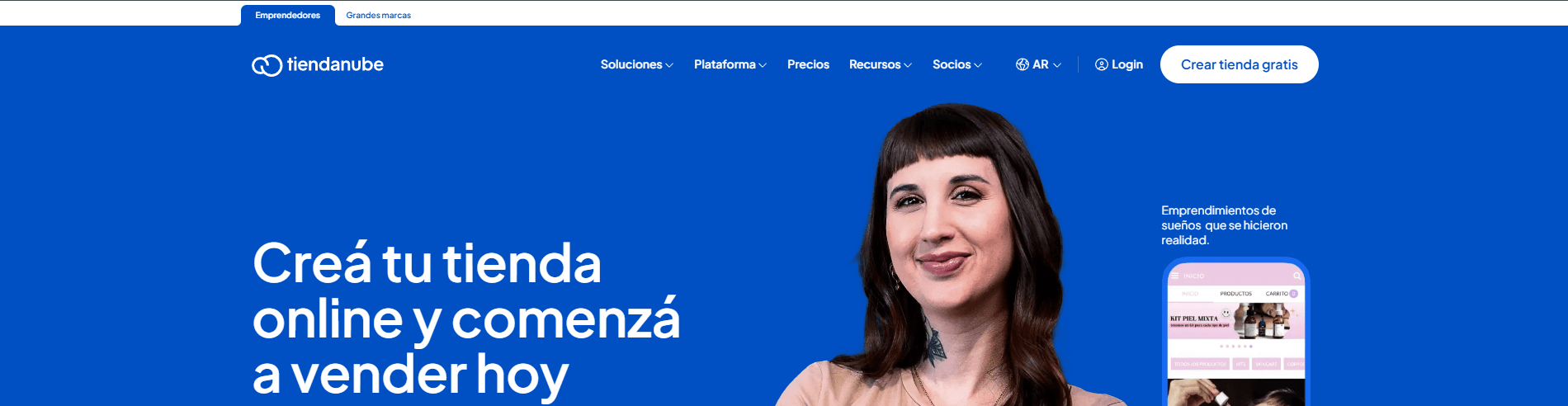
Tiendanube es una plataforma de eCommerce líder en Latinoamérica que permite crear una tienda online personalizada con facilidad. Aunque se usa principalmente para productos físicos, también ofrece opciones para vender productos digitales como ebooks, cursos y plantillas. Su integración con múltiples pasarelas de pago y herramientas de marketing la convierten en una opción atractiva para emprendedores digitales que buscan independencia y profesionalismo.
Ventajas de TiendaNube
- Plataforma intuitiva y en español.
- Personalización total de la tienda.
- Integraciones con múltiples métodos de pago y marketing.
- Mejor para vender: Ebooks, cursos, software y recursos digitales.
- Empieza con TiendaNube
Resumen final
Plataforma Tipo de Producto Comisión Red de Afiliados Facilidad de Uso Gumroad Ebooks, música, software 10% Si ⭐⭐⭐⭐ Hotmart Cursos, ebooks premium Variable Sí ⭐⭐⭐⭐ Shopify + SendOwl Software, plantillas, cursos Mensual No ⭐⭐⭐ Teachable Cursos online, membresías Variable No ⭐⭐⭐⭐ Ko-Fi Ilustraciones, música 0% (gratis) No ⭐⭐⭐⭐⭐ DeviantArt Arte digital, gráficos Variable No ⭐⭐⭐ Payhip Software, membresías Variable No ⭐⭐⭐ Sellfy Arte digital, música y software Variable No ⭐⭐⭐ Etsy Template, print on demand Variable Si ⭐⭐⭐⭐ TiendaNube Cursos online, membresías Variable No ⭐⭐⭐⭐

Cada una de estas mejores plataformas ofrece ventajas distintas, y la elección adecuada dependerá de tu tipo de producto, tu modelo de negocio y la estrategia que pretendas desarrollar. Lo importante es comprender que vender productos digitales no consiste solo en elegir una herramienta, sino en construir un sistema sólido que te permita crecer de forma sostenible.
2026 es un año decisivo para quienes apuestan por el conocimiento, la creatividad y la tecnología como medios de generación de valor. El momento de dar el paso es ahora.
Sinergia de éxito – Donde los emprendedores se encuentran con las oportunidades.



What’s up, its good article regarding media print,
we all be familiar with media is a fantastic source of data.
I’ve seen a lot of different approaches to this, and the one you described is probably the most practical I’ve come across.
Really appreciate the effort you put into this. Most posts I’ve read on this topic skim the surface, but you actually went deep.
I’ve been looking for a clear explanation of this for months — finally found it here. Saved this page immediately.
I’ve seen a lot of different approaches to this, and the one you described is probably the most practical I’ve come across.
This was useful. SailorPiece has been a handy reference for Roblox anime-game codes and progression notes. I also check sailor piece here when I need a quick reference.
Clear post. SailorPiece is useful when I need Roblox code checks and update timing in one place. I also check sailor piece codes here when I need a quick reference.
Good breakdown. Survive Zombie Arena is useful for survival-game codes, update notes, and beginner tips. I also check survive zombie arena tier list here when I need a quick reference.
Helpful read. I also check Noob Tower Defense for Roblox tower defense codes and guide notes. I also check noob tower defense tier list here when I need a quick reference.
Exactly what I was looking for. No fluff, just useful information. I also check slime rng here when I need a quick reference.
This is the kind of content that’s actually worth sharing. I also check universal tower defense x codes here when I need a quick reference.
Didn’t expect to find something this useful today. Well done. I also check catch bugs codes here when I need a quick reference.
Quick question — does this approach still work if the conditions are slightly different? I’d love to see a follow-up on that. I also check mixtape here when I need a quick reference.
La distinción que haces entre Gumroad para creadores independientes y Hotmart para productos de alto valor es clave, porque mucha gente comete el error de elegir una plataforma basándose solo en la popularidad sin mirar su modelo de negocio real. Me parece que la combinación de Shopify con SendOwl es la opción más robusta si alguien busca escalar una marca propia a largo plazo, aunque la curva de aprendizaje sea un poco más alta que en Payhip. En mi experiencia gestionando servicios digitales, la automatización es lo que realmente te permite dormir tranquilo mientras las ventas entran. A veces, cuando uno está enfocado en optimizar procesos de negocio, busca eficiencia en todo, incluso cuando busca mobile detailing near me para no perder tiempo con tareas manuales. Al final, si no tienes una plataforma que gestione bien la entrega inmediata del archivo, la experiencia del cliente se arruina por completo, sin importar lo bueno que sea tu producto.
This is the kind of content that’s actually worth sharing. I also check mixtape steam here when I need a quick reference.
Have you noticed any differences depending on the situation? I’m curious whether what you described holds true across the board. I also check mixtape guide here when I need a quick reference.
Do you have any recommendations for someone just starting out? I feel like I’m missing some background context. I also check mixtape game here when I need a quick reference.
La mención que haces sobre Hotmart para productos de alto valor me parece clave, especialmente porque la automatización es lo que realmente permite escalar sin volverse loco con la logística. He estado analizando cómo diferentes nichos eligen su infraestructura y me doy cuenta de que la decisión depende totalmente de si buscas comunidad o simplemente una transacción rápida. Por ejemplo, para alguien que vende guías especializadas o recursos visuales, la diferencia entre usar Etsy o una tienda propia con Shopify es abismal en términos de control de marca. Yo mismo he estado buscando formas de organizar contenido digital y encontré una perspectiva interesante en Pokopia Crystals que ayuda a entender cómo estructurar estos activos de forma más limpia. Al final, creo que el error más común es elegir la plataforma por la que es más fácil empezar, en lugar de la que te permite crecer a largo plazo sin que las comisiones te coman el margen de beneficio.
La distinción que haces entre usar un marketplace como Etsy frente a montar una infraestructura propia con Shopify + SendOwl es clave, especialmente para quienes están empezando. Muchos cometen el error de querer controlar todo desde el primer día sin entender que la visibilidad de un marketplace te ahorra meses de marketing, aunque las comisiones duelan. En mi experiencia, la escalabilidad depende totalmente de qué tan automatizado esté el proceso de entrega tras la compra. He estado analizando cómo diferentes nichos gestionan sus activos digitales y me parece que la tendencia hacia plataformas con menos fricción, como Payhip, es inevitable para los creadores solitarios. Incluso mientras exploro recursos como Marvel Rivals S8 Tools para entender mejor la gestión de datos y utilidades específicas, me doy cuenta de que la clave del éxito en cualquier producto digital es la facilidad de uso para el cliente final. Al final, si la plataforma falla en la entrega inmediata, pierdes la confianza del usuario para siempre.
La distinción que haces entre Gumroad para creadores independientes y Hotmart para productos de alto valor es clave, porque mucha gente comete el error de elegir la plataforma basándose solo en la comisión y no en la infraestructura que necesitan para escalar. Me llamó la atención que mencionaras a Shopify con SendOwl; es una opción robusta, pero requiere mucho más tiempo de configuración que algo más directo como Payhip o Ko-fi.
En mi experiencia gestionando contenido especializado, la automatización es lo que realmente te permite dormir tranquilo mientras el negocio funciona solo. De hecho, busqué estrategias similares para organizar recursos en KCD2Quest y me di cuenta de que la facilidad de entrega del archivo digital es tan importante como el marketing mismo. Si la plataforma falla en el momento de la descarga, pierdes la confianza del cliente instantáneamente. ¿Has probado alguna vez a integrar pasarelas de pago locales con estas plataformas globales? A veces eso es lo que termina frenando las ventas en mercados específicos de Latinoamérica o España.
La mención que haces sobre la combinación de Shopify con SendOwl me parece clave, porque mucha gente olvida que tener el control total de la marca es lo que realmente permite escalar a largo plazo sin depender de los algoritmos de un marketplace. Es cierto que plataformas como Etsy o Gumroad son excelentes para empezar rápido, pero la gestión de los datos de los clientes es otro nivel cuando ya tienes una comunidad establecida. Yo mismo he estado explorando cómo integrar herramientas de automatización para optimizar procesos creativos, y encontré una perspectiva interesante en AI Interior Lab que complementa bien esta idea de usar tecnología para profesionalizar lo que vendemos. Al final, la elección entre una plataforma cerrada o una tienda propia depende totalmente de si buscas volumen inmediato o construir un activo digital que sea realmente tuyo. ¿Crees que para 2026 las comisiones de Hotmart sigan siendo el principal factor de decisión para los creadores de cursos?
La distinción que haces entre usar un marketplace como Etsy frente a montar algo propio con Shopify y SendOwl es clave, porque mucha gente olvida que en los marketplaces no eres realmente el dueño de tu audiencia. He notado que, aunque plataformas como Hotmart son brutales para escalar cursos por su sistema de afiliados, la curva de aprendizaje puede ser un poco frustrante al principio si no tienes una estrategia de marketing clara. Me parece interesante que menciones a Ko-Fi para evitar comisiones, ya que para creadores pequeños que apenas están validando su idea, cada porcentaje cuenta. Estuve leyendo sobre cómo optimizar la conversión en estas tiendas y encontré un enfoque interesante en FrontWars.io que complementa bien la idea de gestionar recursos de forma eficiente, algo que aplica tanto a juegos como a negocios digitales. Al final, creo que la decisión depende de si buscas tráfico inmediato o control total sobre tu marca.
La comparativa entre Gumroad y Hotmart me parece muy acertada, especialmente porque mucha gente comete el error de elegir la plataforma solo por la interfaz sin mirar las comisiones o la gestión de afiliados. En mi experiencia, si estás empezando con algo muy pequeño, Ko-Fi es una joya para evitar esos costes fijos que te comen el margen al principio. Me pregunto si para 2026 veremos a Etsy dominando más el sector de los activos digitales descargables o si la tendencia de crear tiendas propias con Shopify seguirá ganando terreno por la libertad de marca. A veces, mientras uno gestiona su negocio digital, también necesita herramientas de precisión para otros proyectos físicos, como cuando uso un Concrete Calculator para estimar materiales en obras de construcción, y creo que esa misma mentalidad de «medir dos veces para no fallar» se aplica al elegir un marketplace. Al final, la automatización que mencionas es la clave para que el modelo sea realmente escalable y no se convierta en un segundo trabajo manual.
La distinción que haces entre Gumroad para creadores independientes y Shopify con SendOwl para quienes buscan una marca propia es clave, porque mucha gente olvida que la escalabilidad depende de cuánto control quieras tener sobre tu base de datos. Al principio, uno suele irse por lo más fácil como Etsy o Ko-Fi, pero a largo plazo, las comisiones y la falta de personalización pueden ser un cuello de botella si tu catálogo crece. En mi experiencia trabajando con activos visuales, he visto que la automatización es lo que realmente permite dormir tranquilo mientras las ventas entran. Incluso cuando buscamos optimizar procesos con herramientas como VirtualStagingAI para mejorar la presentación de productos, la elección de la plataforma de venta sigue siendo el pilar que sostiene todo el flujo de ingresos. Me pregunto si para 2026 no veremos una tendencia mayor hacia plataformas que integren IA directamente en el checkout para mejorar la conversión, más allá de solo alojar el archivo.
Me llama mucho la atención la distinción que haces entre Gumroad para creadores independientes y Hotmart para productos de alto valor. A veces uno se pierde intentando escalar un negocio sin entender que la infraestructura técnica que ofrece cada una cambia totalmente el margen de beneficio. En mi experiencia gestionando comunidades de gaming, la automatización es clave; si no tienes un sistema que entregue el contenido al instante, pierdes la confianza del cliente. Estaba buscando herramientas similares para monetizar guías de estrategia y me encontré con recursos como Abyss Roblox Codes que ayudan a entender mejor cómo fluye el contenido digital hoy en día. Creo que para alguien que está empezando, Ko-Fi es la opción más honesta por el tema de las comisiones, pero si buscas algo profesional para escalar a largo plazo, la combinación de Shopify con SendOwl que mencionas parece ser la ruta más sólida para tener control total sobre tu marca sin depender de un marketplace externo.
La mención que hacen sobre la combinación de Shopify con SendOwl me parece clave, especialmente para quienes ya tienen una marca establecida y no quieren depender de un marketplace cerrado como Etsy o Hotmart. A veces, el problema no es la plataforma en sí, sino el control que pierdes sobre tus datos de cliente cuando usas intermediarios. He notado que para productos muy específicos, como guías de optimización o bases de datos, tener esa autonomía es lo que realmente permite escalar un negocio a largo plazo sin que las comisiones te coman el margen. De hecho, estuve buscando herramientas similares para gestionar contenido especializado en Plants vs Brainrots Hub y la flexibilidad de tener una tienda propia es lo que marca la diferencia entre un hobby y un negocio serio. Me pregunto si para el 2026 creen que las plataformas tipo Gumroad seguirán dominando el sector de los creadores independientes o si la tendencia se moverá totalmente hacia la automatización de tiendas propias.
La distinción que haces entre usar un marketplace como Etsy frente a construir una infraestructura propia con Shopify y SendOwl es clave para cualquier emprendedor que esté empezando. Muchos cometen el error de pensar que solo necesitan subir un archivo y ya, sin considerar la importancia de la automatización y la escalabilidad que mencionas en el análisis. Personalmente, he notado que la elección de la plataforma depende totalmente de si buscas tráfico inmediato o control sobre tu marca. A veces, mientras busco inspiración en sitios de ocio como Crossy Road Online para desconectar, me pongo a pensar en cómo estos modelos de negocio digitales son tan adictivos y eficientes como un buen juego arcade. Me pregunto si para 2026 las plataformas como Gumroad seguirán manteniendo esa simplicidad para el creador independiente o si la tendencia será migrar hacia ecosistemas más cerrados y controlados como Teachable para evitar la competencia directa en los marketplaces.
Me llama mucho la atención el punto sobre la combinación de Shopify con SendOwl, porque mucha gente olvida que tener una tienda propia te da un control que los marketplaces como Etsy o Gumroad a veces limitan por sus propias reglas de comisión. He estado analizando cómo escalar negocios digitales y la automatización es clave; si no puedes entregar el producto al instante, pierdes la confianza del cliente. En mi experiencia, para quienes están empezando con servicios que requieren documentación o archivos específicos, la facilidad de uso es lo primero. Incluso cuando gestionas trámites que requieren archivos digitales precisos, como en AnyPassportPhoto, la rapidez de la plataforma determina el éxito de la experiencia del usuario. Me pregunto si para 2026 creen que Hotmart seguirá dominando el sector de cursos o si las plataformas de suscripción tipo Ko-Fi terminarán ganando terreno debido a sus bajas comisiones para los creadores pequeños.
Me interesó mucho tu análisis sobre las distintas plataformas para vender productos digitales, especialmente cómo diferenciaste Hotmart para cursos de alto valor y Gumroad para creadores independientes. A veces siento que la gente subestima la importancia de la plataforma adecuada, y creo que la elección puede ser tan crucial como la calidad del producto en sí. Por ejemplo, para quienes están empezando en nichos muy específicos, como podría ser el desarrollo de herramientas para juegos, encontrar una plataforma que no cobre comisiones altas al principio es clave. He visto a muchos creadores tener éxito con opciones como Ko-Fi por esa misma razón, aunque a veces la integración con otras funcionalidades puede ser un desafío. Encontrar un balance entre facilidad de uso, costos y alcance es un reto constante. De hecho, he estado investigando algunas herramientas para optimizar la gestión de contenido en plataformas de juegos, y es interesante ver cómo los principios de la venta digital se aplican en diferentes mercados, hasta el punto de que podrías encontrar algo útil sobre Marvel Rivals S8 Tools si buscas ese tipo de soluciones. ¿Has notado si alguna de estas plataformas es particularmente fuerte para nichos de «herramientas» o contenido técnico?
Me pareció muy interesante la comparativa entre plataformas, especialmente cómo separan las opciones para creadores independientes como Gumroad o Ko-Fi frente a las más completas como Shopify. Siempre he pensado que la clave está en encontrar el equilibrio entre facilidad de uso y las funcionalidades que realmente necesitas para tu tipo de producto. Para los que están empezando con cursos, Teachable y Hotmart parecen ser las opciones más directas, aunque la idea de integrar Shopify con SendOwl para tener más control sobre la marca también tiene mucho sentido. De hecho, he encontrado una perspectiva similar sobre cómo optimizar la experiencia de venta para productos digitales en Cursor Camp Guide que complementa bien este análisis. Me pregunto cuál sería la mejor opción si el producto principal son plantillas o recursos gráficos de bajo costo.
The breakdown of platforms like Gumroad and Hotmart for specific niches is really helpful. I’ve been exploring options for selling digital art prints and was wondering about the transaction fees involved with some of the larger marketplaces. While Etsy is mentioned, I’ve also found success with platforms that focus more directly on digital goods, and I think a similar perspective on Maze Craze Online that complements this well, emphasizing ease of use for creators. It’s a crowded space, but having clear options based on product type and creator goals, as you’ve laid out, makes the decision process much less daunting.
I’m always interested in how creators are leveraging platforms to sell their work, and this list is a great starting point for anyone looking to get into digital products. It’s interesting to see Gumroad and Hotmart at the top – they’ve been around and have really built strong communities. I’ve personally found success using platforms that allow for a good balance of control and ease of use. For example, I recently explored how ai colorpage can help artists quickly generate variations of their work, which could then be sold as digital downloads on a platform like Payhip, which you mentioned as being good for simplicity. It makes me wonder though, for those selling high-volume, lower-priced items like digital art assets, does the transaction fee structure on platforms like Gumroad become a significant factor compared to those with zero commission?
The breakdown of platforms like Gumroad and Hotmart is really helpful, especially the distinction between creators looking for minimal commissions and those focused on high-value courses. I’ve been exploring options for selling some digital art assets, and finding a platform that doesn’t take too large a cut is crucial. I found a similar perspective on Blox Fruits Calculator that complements this well, emphasizing the importance of understanding the fee structure before committing. It’s also interesting to see Etsy listed here, as it’s often thought of primarily for physical goods, but its reach in digital marketplaces is clearly significant.
I was particularly drawn to the breakdown of Gumroad for independent creators and Hotmart for higher-value courses. It’s so true that the platform choice can significantly impact reach and profitability. I’ve found that for certain niche digital products, like specialized how-to guides, a more streamlined approach is key. I’ve seen a similar perspective on EveryClue that complements this well, emphasizing how the user interface and fee structure can really influence a creator’s decision. It’s a crowded market, and figuring out where to plant your flag is half the battle!
The idea of using platforms like Ko-Fi for creators looking for commission-free income is really appealing, especially when you consider how much fees can eat into profits on other sites. I’ve seen a similar perspective on Borderlands 4 toolkit that complements this well, focusing on maximizing creator returns. It makes me wonder, though, if the «no commission» model on platforms like Ko-Fi is truly sustainable long-term, or if there are often hidden costs or limitations that creators eventually run into. It’s a tough balance to strike between accessibility and robust features.
The breakdown of platforms based on creator type is really helpful, especially distinguishing between those for independent creators like Gumroad and those geared towards courses like Teachable. I’ve been exploring options for selling digital art prints, and the sheer number of choices can be overwhelming. I appreciate that you included options like DeviantArt and Etsy, which cater specifically to visual artists. I wrote about a similar approach for creating personalized content on Song For You and found that focusing on the specific needs of the customer, much like these platforms focus on specific creator needs, makes a huge difference. It seems like understanding your target audience and the type of digital product you’re selling is the crucial first step.
The breakdown of platforms like Gumroad for independent creators and Hotmart for courses is really helpful. It makes sense to match the platform to the type of digital product you’re selling. I’ve been exploring options for selling some digital art and writing, and the idea of a platform with lower commissions, like Ko-Fi, is definitely appealing. It’s a consideration similar to how people find the right fit for personality assessments; you want something that aligns with your goals. I’m curious if anyone has had experience with DeviantArt specifically for selling digital products beyond just prints. It seems like a niche but potentially effective route for artists.
The breakdown of platforms like Gumroad for independent creators and Hotmart for higher-value courses is really helpful. I’ve always found the distinction between marketplaces and building your own storefront a key decision point. For something like digital art or design templates, I lean towards platforms that keep things simple and don’t take a huge cut. I wrote about a similar approach for quick digital product launches on roomflip.pro and found that focusing on ease of setup for the seller was paramount. It’s interesting to see how Etsy is still a major player, even with its focus on physical goods historically. Do you think its broader audience outweighs the niche platforms for certain types of digital products?
It’s interesting to see how Gumroad is positioned for independent creators – that makes a lot of sense. I’ve always gravitated towards platforms that offer a direct connection with the audience, and Gumroad seems to facilitate that well. My own experience with building resources for games, much like creating digital products, often involves finding that sweet spot between ease of use for the creator and a smooth buying experience for the customer. I’ve been looking into options for a while, and I actually wrote about a similar approach to platform selection on NTE Codes Hub when discussing how to best share game guides and build a community. It’s a tricky balance, but platforms like Hotmart for higher-value courses and even Shopify with extensions seem to cover different ends of the spectrum effectively.
The breakdown of platforms like Gumroad for individual creators and Hotmart for higher-value courses is really helpful. I’ve been exploring options for selling some digital art and design templates, and the decision paralysis is real! I appreciate the clarity on which platforms suit different needs. For instance, Ko-Fi’s focus on no commissions is appealing, though I wonder about its broader reach compared to a marketplace like Etsy. I’ve experimented with generating some creative text formats using tools, and it got me thinking about how platforms can streamline the delivery of unique digital content. I wrote about a similar approach on AI Rap Creator and found that ease of use for the end consumer is just as crucial as the creator’s experience. Has anyone had success selling visual assets on DeviantArt recently?
I found your breakdown of Gumroad and Hotmart particularly insightful, especially the distinction between independent creators and those focusing on higher-value courses. It’s true that the right platform can significantly streamline operations. I’ve been experimenting with how to best integrate digital product sales with other online ventures, and the idea of a dedicated platform versus a broader e-commerce solution like Shopify is always a key consideration. For those looking for a quick setup, I’ve seen some success with platforms that offer a straightforward integration, almost like a simple arcade game – pick it up and play. Something akin to the ease of access you might find on OrbitDash for quick gaming sessions, but for business. Did you find that any of these platforms offered a significant advantage in terms of customer acquisition or built-in marketing tools?
Gumroad and Hotmart definitely stand out for creators looking to monetize their work. I’ve been experimenting with different platforms for selling digital art templates, and finding one that balances ease of use with good features is crucial. While some platforms take a significant cut, others like Ko-Fi offer a nice no-commission option, which is great for smaller creators. I’m curious about how Shopify integrates with something like SendOwl – it seems like a powerful combination for building a more robust brand presence. For those focused purely on visual assets, I also found some interesting tools that help with aspect ratios, which can be a real hassle when preparing images for different sites. You can check out AI Image Extender for that. Overall, this list provides a solid overview of the landscape.
This is a really comprehensive breakdown of the top platforms for selling digital products. I was particularly interested in your description of Gumroad for independent creators and Hotmart for higher-value courses. It’s true that the niche you’re targeting can heavily influence the best platform choice. I’ve been experimenting with generating creative content myself, and I even wrote about a similar approach on AI Rap Creator and found that the platform’s flexibility really matters when you’re trying out different offerings. It’s great to see a clear comparison that helps cut through the noise.
The inclusion of Ko-Fi at number five is interesting. While many might lean towards the more robust e-commerce solutions like Shopify or Hotmart for courses, I’ve found Ko-Fi to be incredibly intuitive for creators who might also dabble in smaller digital assets, like art prints or even game assets. It’s a great way to offer a mix of direct sales and ongoing support without hefty platform fees eating into profits, which is something I’ve explored in more detail on OrbitDash CC. I’m curious, for those who’ve used it, what’s your experience been with Ko-Fi for more complex digital products beyond simple donations or one-off sales?
The breakdown of platforms like Gumroad for independent creators and Hotmart for higher-value courses is really helpful. I’ve been dabbling in selling digital art prints, and I’m always on the lookout for ways to streamline the process without getting bogged down in technicalities. It’s interesting to see DeviantArt on the list, given its history as a community hub for artists. I wonder how effectively it functions now as a sales platform compared to more dedicated e-commerce solutions. I wrote about a similar approach to building an online presence for creators on sbti personality test and found that focusing on a clear niche often makes the platform choice much easier. Payhip sounds particularly appealing for its simplicity.
The distinction between platforms like Gumroad and Hotmart, with the former being great for independent creators and the latter for higher-value courses, really hits home. It’s so true that the «best» platform truly depends on the *type* of digital product you’re selling. I’ve found that for simpler digital goods, like templates or ebooks, a more streamlined option is usually sufficient. In fact, I wrote about a similar approach for managing various digital assets on EveryClue and found that simplicity often leads to better conversion rates when you’re just starting out. It’s a delicate balance between features and ease of use, isn’t it?
The breakdown of platforms like Gumroad for independent creators and Hotmart for higher-value courses is really helpful for narrowing down choices. I’ve been exploring options for selling digital art assets, and the distinction between pure marketplaces like Etsy and more integrated solutions like Shopify with SendOwl is crucial. For my own projects, I’ve found that focusing on a platform that allows for direct customer interaction and community building is key, which makes me lean towards options that aren’t just transactional. I wrote about a similar approach to building an audience around digital goods on Plants vs Brainrots Hub and found that integrating sales with content creation smoothed the whole process. It’s interesting to see how Ko-Fi is positioned for commission-free income; that’s a huge draw for many creators.
I was particularly interested in your breakdown of Shopify combined with SendOwl for those wanting a more custom storefront. It’s a powerful combination, though it can feel a bit more involved than something like Gumroad, which you highlighted as great for independent creators. I’ve found that for certain digital assets, like unique game items or digital art, the community aspect of platforms like Etsy or even DeviantArt can be a significant advantage for discoverability. It’s all about matching the platform’s strengths to the specific type of digital product you’re offering. I wrote about a similar approach to finding the right marketplace on Blox Fruits Trading and found that understanding the audience on each platform is key.
The breakdown of platforms like Gumroad for independent creators and Hotmart for higher-value courses is really helpful. It’s so easy to get overwhelmed by all the options out there when you’re just starting out. I’ve been dabbling in creating some digital guides myself, and finding the right place to showcase them has been a process. I’m curious, for those focusing on digital art or templates, have any of you had success with platforms like DeviantArt or even Etsy? I’ve explored some Halloween Puzzle Games recently and it got me thinking about how artists can best monetize their digital creations in niche markets. The idea of a platform with no commissions, like Ko-Fi, is also very appealing.
The breakdown of platforms is really helpful, especially the distinction between those for independent creators like Gumroad and those geared towards courses like Teachable. I’ve been exploring ways to monetize some of my digital art and have found that marketplaces can be a good starting point, but managing commissions and direct sales can get complicated. I’m curious if anyone has had significant success with platforms like DeviantArt for selling digital assets beyond just prints. It makes sense that for a more comprehensive setup, combining something like Shopify with a delivery service is a solid option. Thinking about building out a dedicated space reminds me of how some developers create interactive maps for games, like the planning that goes into a Subnautica 2 Map – you need to consider user experience and functionality at every step.
This is a great breakdown of the options for selling digital products. I was particularly interested in your points about Gumroad for independent creators and Hotmart for higher-value courses. It really highlights how the platform choice should align with the type of product and the creator’s goals. I’ve seen many creators struggle with choosing the right platform, and having a curated list like this is super helpful. It reminds me of how important it is to pick the right tools for the job, almost like choosing a tattoo design where careful consideration prevents future regret. For anyone exploring ways to sell their digital creations, I’d also recommend checking out resources on thoughtful planning, similar to what I’ve discussed on Before You Ink. The long-term success often hinges on those initial strategic decisions.
The breakdown of platforms like Gumroad for independent creators and Hotmart for higher-value courses is really helpful. I’ve always wrestled with whether to go for a dedicated marketplace or build my own store. For my work, which is more niche digital art prints, I’ve found that platforms with a strong community aspect, like DeviantArt, can be surprisingly effective, even if they aren’t always the most polished. I recently explored some AI-generated art tools and thought about how platforms like myink ai could integrate with these to offer unique digital products directly. It’s interesting to see how the landscape is shifting towards both specialized marketplaces and integrated e-commerce solutions.
The breakdown
The breakdown of platforms like Gumroad for independent creators and Hotmart for higher-value courses is really helpful. I’ve been exploring options for selling some digital art assets, and the distinction between marketplaces like Etsy and building your own store with Shopify + SendOwl is a crucial one. It makes me wonder about the long-term scalability of relying solely on a marketplace versus owning the customer relationship. For instance, I wrote about a similar approach to building an audience on Blox Fruits Calculator and found that direct engagement often leads to better retention. It’s a tough balance between ease of entry and control.
I found your breakdown of Gumroad and Hotmart particularly insightful. It’s easy to see why they’re perennial favorites for creators. I’ve been experimenting with selling digital art assets, and the idea of using a platform that handles the payment and delivery so smoothly is really appealing. I wrote about a similar approach for managing digital item values on Blox Fruits Calculator and found that streamlining the backend processes really freed up time to focus on the creative side. It’s interesting that you also highlighted Shopify with SendOwl as a way to build a more branded storefront, which is definitely something to consider for long-term growth.
This is a really comprehensive list! I was particularly interested to see Hotmart and Teachable highlighted for courses, as that’s a space I’ve been exploring for a while. It can be tough to figure out where to host and sell educational content effectively. I’ve been dabbling with creating some digital guides myself, and the idea of a dedicated platform like Hotmart, focused on high-value products, seems appealing for that. I’ve found that sometimes, simpler platforms can work well too, especially when starting out. I wrote about a similar approach on Wordleos and found that focusing on ease of use was key initially. It’s a good reminder that the «best» platform really depends on the specific type of digital product and the creator’s goals.
The breakdown of platforms like Gumroad for independent creators versus Hotmart for higher-value courses is really helpful for narrowing down choices. I’ve been dabbling with selling digital art prints and was initially drawn to the idea of a big marketplace like Etsy, but the thought of dealing with its specific audience and fees made me pause. I wrote about a similar approach to managing digital product sales on Wordleos and found that focusing on a platform that aligns with your specific product type and target audience is crucial for success. It’s interesting to see Shopify paired with SendOwl as a way to build your own branded store; that’s definitely something to consider for long-term growth.
The breakdown of platforms like Gumroad for independent creators and Hotmart for higher-value courses is really insightful, as it highlights distinct needs within the digital product space. I’ve been exploring options for selling digital assets myself, and the idea of a fully integrated «own store» solution like Shopify with SendOwl is appealing, though it does sound like more of an upfront investment. It’s interesting to see how many platforms focus on specific niches like courses or art. For generating professional-looking digital assets, like profile pictures for my own sales pages, I’ve found tools that utilize AI to be incredibly efficient. Someone looking to quickly create a polished online presence might find platforms like HeadshotAI very useful for generating high-quality headshots without professional photography. It’s a different kind of digital product, but the underlying need for easy distribution and professional presentation is similar.
It’s interesting to see how many options there are for selling digital products these days. I was particularly drawn to your mention of Gumroad for independent creators. I’ve been experimenting with selling some digital art guides and found that platforms focused on creator support, without hefty commissions, really make a difference. I wrote about a similar approach to building a creator economy on Horizon 6 Guide and found that ease of use and direct connection with the audience were key. Have you found that the «independent creator» angle is really the biggest differentiator between platforms like Gumroad and others that might be more geared towards larger businesses?
I found your breakdown of platforms for selling digital products really insightful, especially the distinction between options like Gumroad for independent creators and Teachable for online courses. It’s true that the landscape can feel overwhelming when you’re starting out. I’ve been exploring different avenues myself, and trying to figure out the best fit for my niche felt like a personality test in itself! For a while, I was even looking into something akin to a sbti personality test to see if my own traits aligned with certain platforms. It’s interesting how Hotmart is highlighted for higher-value products; I’ve always wondered about the tipping point where a platform like that becomes more advantageous than a more generalist one. Thanks for providing such a clear overview!
I’m curious about the emphasis on «2026» – are these platforms specifically set to change dramatically by then, or is it more of a forward-looking projection? I’ve been building out some tools related to digital content delivery, and the idea of platforms evolving so quickly is fascinating. For instance, I recently worked on a project that involved encoding information into different formats, almost like a digital cipher. It made me think about how platforms handle the integrity and delivery of digital goods. It’s interesting to see how Gumroad is highlighted for independent creators; that often feels like the sweet spot for many starting out. I’ve also found that for very niche products, sometimes a simpler approach, like using a tool that converts text to Morse code, can be surprisingly effective for communication and even some forms of digital product delivery if you’re creative, though perhaps not as mainstream as the platforms listed here.
Gumroad and Hotmart really stand out in this list for their creator-centric approach. It’s smart how Hotmart caters specifically to higher-value courses, which is a niche many are trying to break into. I’ve been experimenting with different platforms myself, and the ease of setup for Gumroad is hard to beat when you’re just starting out. For those looking to build a more robust brand around their digital offerings, I wrote about a similar approach on Wizard Alchemy Hub and found that integrating with tools like SendOwl, as mentioned for Shopify, really streamlines the customer experience. It’s a solid overview of the current landscape.
I’m always fascinated by how many options there are now for selling digital goods, and this list is a great overview. Gumroad and Hotmart are definitely strong contenders, especially for those focused on courses or unique creative assets. I also appreciate the inclusion of options like Payhip and Sellfy for their simplicity. It makes me think about how streamlining the process is key, much like how I approach restoring old photos online with Old Photo Restoration – the easier it is for the user, the better the experience. Do you find that customers are looking for a specific platform experience, or is it more about the product itself?
The breakdown of platforms like Gumroad for independent creators and Hotmart for courses is really helpful. It’s true that choosing the right place can make or break your digital product sales. I’ve been exploring options for selling digital assets related to gaming, like custom car liveries and setup guides, and finding a platform that handles digital delivery smoothly is key. I wrote about a similar approach for organizing game assets on Horizon 6 Guide and found that ease of use for both seller and buyer is paramount. It’s interesting to see how some platforms like Etsy are included, given their broader marketplace focus, but I can see how it would work for certain types of digital art.
Gumroad really stands out for independent creators, and I appreciate how the article highlights its ease of use for getting started. I’ve been exploring different ways to share my digital art and found that having a platform that handles payment processing and delivery smoothly is crucial. I’ve even experimented with generating some eye-catching text for my product descriptions using a Bold Text Generator, and it makes a difference in grabbing attention. Hotmart is also on my radar, especially for the potential of higher-value courses, but the initial setup for something like that feels more involved than Gumroad. It’s a good list that covers a nice range of needs.
The breakdown of platforms like Gumroad for independent creators and Hotmart for higher-value courses is really helpful. I’ve been exploring options for selling digital art prints and patterns, and the idea of a dedicated marketplace like DeviantArt versus building my own store with something like Shopify and SendOwl is a tough decision. For my own project exploring design permanence, I often think about how people choose what to permanently embed on their skin, and the parallels in choosing the right platform for digital products are interesting – you want something reliable and suited to your specific needs. I wrote about a similar approach to assessing permanence and risk on Before You Ink and found that clarity upfront makes a huge difference in the long run. Has anyone had experience with Payhip for its simplicity?
I’m particularly interested in how platforms like Gumroad and Payhip cater to independent creators looking for simplicity. It’s true that the barrier to entry for selling digital products can be high, so having options that minimize technical hurdles is crucial. I’ve found that when planning out digital projects, especially complex ones with multiple components, it’s easy to get bogged down in the «how» of selling rather than the content itself. This reminds me a bit of how I approach planning enchantments in Minecraft; you can spend ages trying to get the perfect combination, and sometimes a simpler, more direct path is more efficient. I wrote about a similar approach on Minecraft enchantment Calculator and found that streamlining the process upfront saves a lot of headaches later. It’s great to see so many accessible options for selling digital goods now.
It’s interesting to see the breakdown of platforms like Gumroad and Hotmart for different needs. I’ve always leaned towards building my own shop, especially when dealing with a variety of digital assets. Shopify combined with something like SendOwl, as you mentioned, offers that flexibility. I wrote about a similar approach on MW4 Hub and found that while it’s more work upfront, the control over branding and customer experience is invaluable. It’s a trade-off between ease of use and full customization, which is exactly what this list seems to highlight. Did you find any of these particularly stand out for their integration capabilities with other marketing tools?
Your breakdown of Gumroad and Hotmart as top contenders for independent creators and high-value courses, respectively, really resonates. It’s true that the platform choice can significantly impact how smoothly your digital product business runs. I’ve found that for broader product ranges or a more branded experience, integrating a platform like SendOwl with a dedicated site, as you mentioned with Shopify, offers a lot of flexibility. It allows for more control over the customer journey, which is something I wrote about a similar approach on Spire ESS and found it crucial for building customer loyalty. It’s interesting to see DeviantArt listed too; I hadn’t considered it as a primary sales platform for digital products beyond art, but it makes sense for that niche.
The breakdown of platforms like Gumroad for independent creators and Hotmart for higher-value courses is really helpful. I’ve been looking into selling some digital art packs and some guides I’ve put together, and it’s tough to know where to start. Shopify with SendOwl seems like a solid option for building a more established brand, but for a solo creator just getting going, the lower barrier to entry with something like Payhip or even Ko-Fi makes a lot of sense. I’ve seen a lot of different approaches to this, and the one you described with the pros and cons for each platform is probably the most practical I’ve come across. It’s also interesting that Etsy is still considered a top contender for digital products, given its reputation for physical goods. I wrote about a similar approach to choosing the right platform on Marvel Rivals S8 Tools and found that understanding your specific product and target audience is key.
The breakdown of platforms for selling digital products is really helpful, especially the distinction between those for individual creators versus those needing a full storefront. I’ve been exploring options for my own digital art, and Gumroad and Ko-Fi always come up as strong contenders for their creator-friendly models. It’s interesting to see Shopify combined with SendOwl mentioned for creating a more robust online shop; it makes sense for those looking to scale beyond just a single product. For anyone in a similar boat, managing product visibility and sales can be complex, and I’ve found tools like Rivals Tools can sometimes offer insights into marketing strategies, even if they’re not directly for digital products. Has anyone had experience with DeviantArt for selling digital goods beyond just prints? I’m curious about its effectiveness for downloads.
ADO eBikes are known for their lightweight design, smooth torque-sensor assistance, and low-maintenance carbon belt drives, making the discount a great way to reduce the cost of a premium ride. Simply enter Ado discount code KOL50 at checkout to apply the savings.